

I’ve never been nostalgic. People see things that remind them of something in the past and I can see them light up, start singing, spin around. I didn’t understand it. I was always just like “oh cool, sure, that was fun….” I think managing my bipolar disorder required me to disconnect emotion from a lot of things so they weren’t triggers for a big swing.
With tools for management of the condition I can trust, and probably just a fading of intensity with age and experience, I have really been leaning into experiencing emotions to enrich my life. One of the consequences of allowing myself to feel so much emotion is that I’m experiencing nostalgia for the first time. It’s a fun feeling that lingers for a while. The lingering, which feels like the opposite of presence, got me very curious.
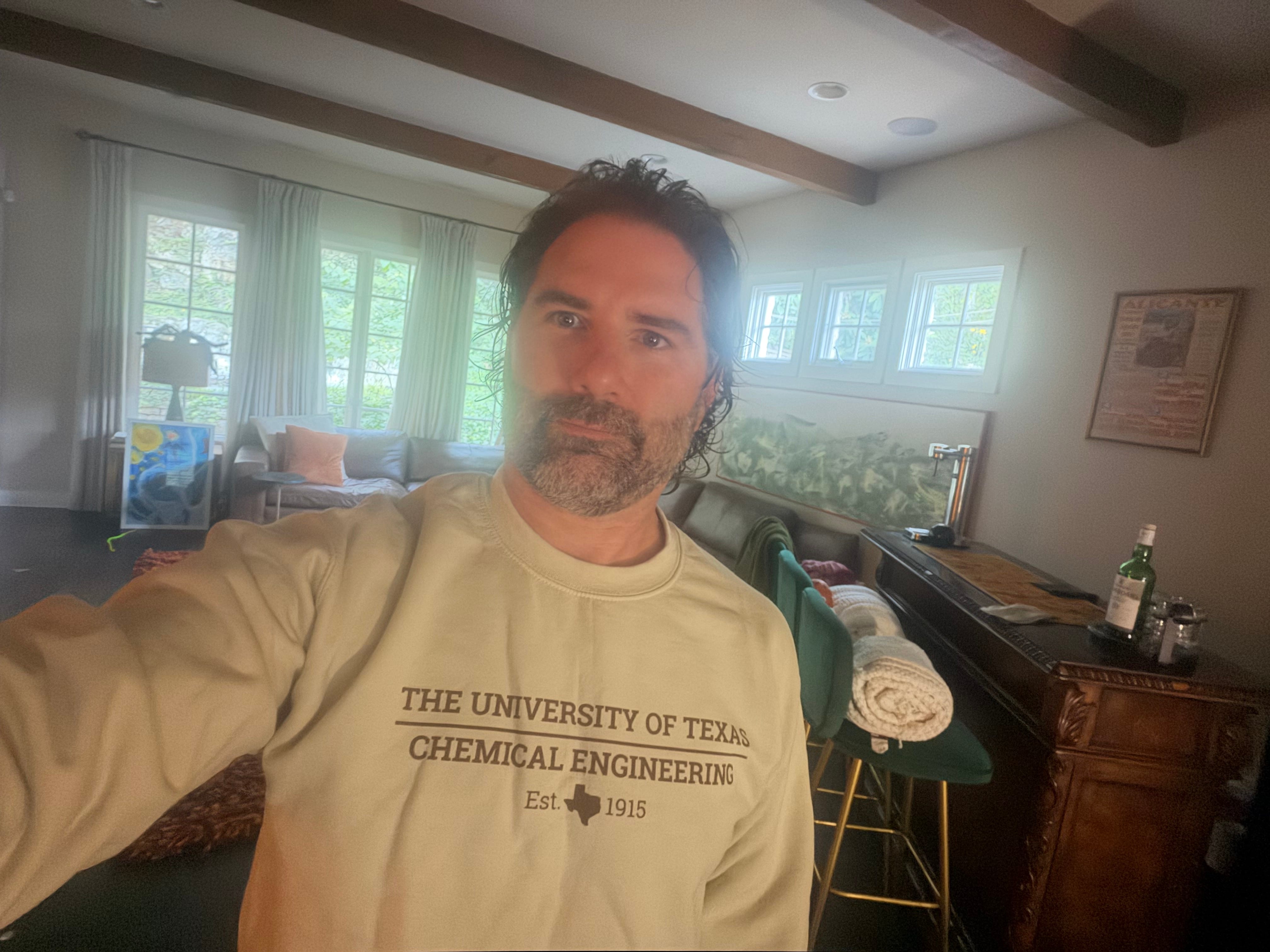
The word was actually coined as a medical diagnosis for homesick Swiss mercenaries, from the Greek for return home and pain. That’s not remotely related to what I experienced. I experienced a very positive emotion that I couldn’t really place at first. As I read about some other views on it I saw the word that fit the best - belonging. So it was a return, to a home of sorts. But there was no pain. Just a warm, fuzzy feeling that lingered long past the experiences. I found a Japanese word for it that fits - natsukashii - warm, fond, grateful remembering. That’s more like it! One moment was what the organizer called our 30th year high school reunion (I only count 20 years, they must not have been that great at math). The other was being invited to share my journey to classes at my alma mater - UT Austin Chemical Engineering.
My first stop in explorations like this is the brain science. This study was interesting where they showed women pictures of childhood and the predictable memory portion of the brain (hippocampus) lit up, but also the reward system (ventral striatum). The paired firing grew with feelings of nostalgia. The brain treats a nostalgic memory as a reward. Modern science and experiences lean more positive than the root of the word. Psychologists say the emotion is old and stable, just our understanding of it has changed. Historians think the thing itself changed, moved with an improving economy that has better memories overall. Underneath, studying the science of emotion, people still can’t agree.
Interestingly, this whole experience, which I think most people feel at some point in their lives, is barely mentioned in classic philosophical texts. Just left out, in general. When it is addressed, it’s treated as a problem, a lack, or a symptom. Again maybe reflective of the time period the philosophers were in. Pascal thinks it’s just a trace of lost happiness and moved on; Weil says it’s a way the self inflates itself (ugh, ego); and Nishitani says it’s burden we want to set down. Poor philosophers never got to feel natsukashii.
Modern philosophers dig into the layering of emotion and reason. We know from Star Trek that reason alone (Mr Spock) can lead to odd choices and an inability to predict people. True wisdom (Capt Kirk) comes from combining them to boldly go where no man has gone before. Reason helps us weigh the pros and cons of a choice and the emotions related to the choice help steer us in one direction or another. We draw on emotions to color our choices and it seems like our brain rewards us for thinking back certain memories, perhaps to strengthen the related emotional pathways for easier access while making future decisions. How does our brain know those are the good memories that will help us make better future choices? I dunno.
So, I liked it. I’m guessing if I linger too long it’ll swing to the negative - ego or negativity might creep in and ruin it. I look forward to future wonderful feelings remembering past wonderful feelings to help guide future choices to make more wonderful feelings to look back on fondly.
Interesting fun fact that nostalgia was coined as a medical diagnosis for homesick Swiss mercenaries, from the Greek for return home.
Yay for feeling the warm fuzzies lately <3 It's heightened for me this time of year with the holidays.